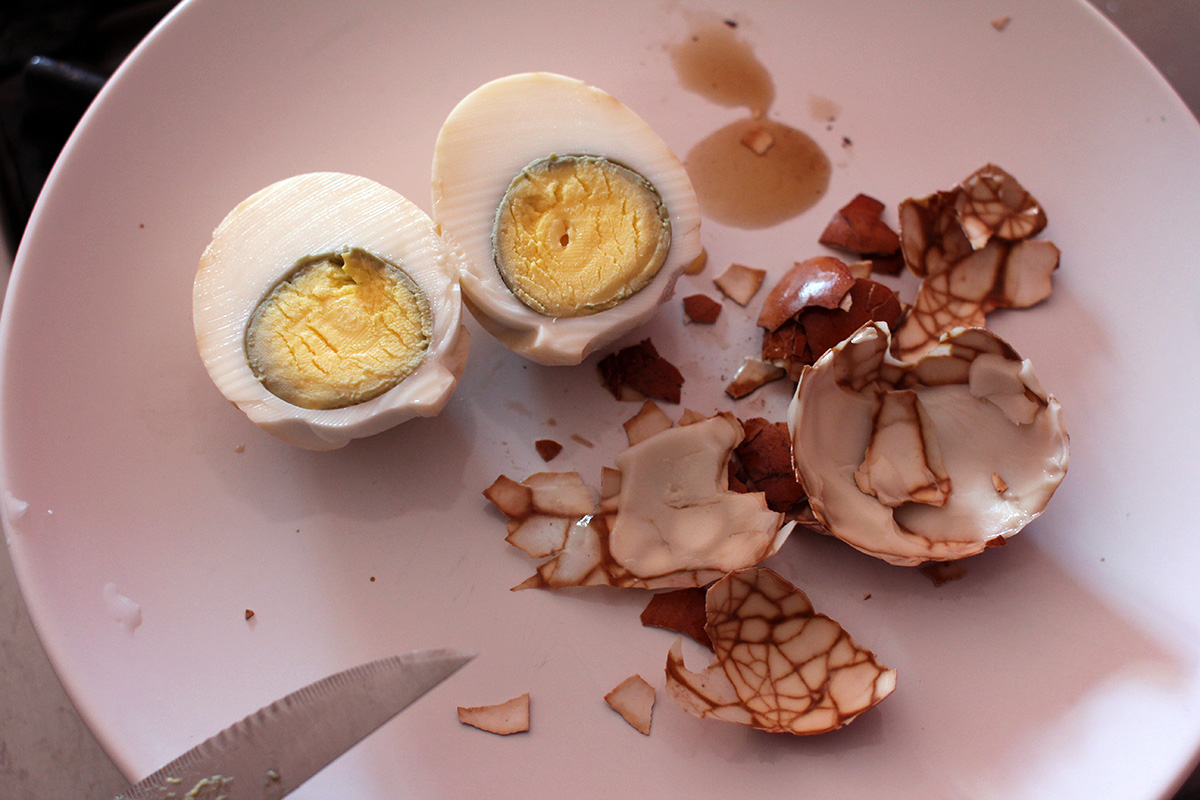
 i tried one of the tea eggs this morning, after i left them to soak overnight. it was a brown egg, and i had a hard time peeling it. i bought the brown ones on monday, and in my experience older eggs make better tea eggs because they're easier to peel. the eggs need more soaking because the flavor hasn't fully penetrated inside the egg. at this point it was just like eating a salty hard-boiled egg.
 |
 |
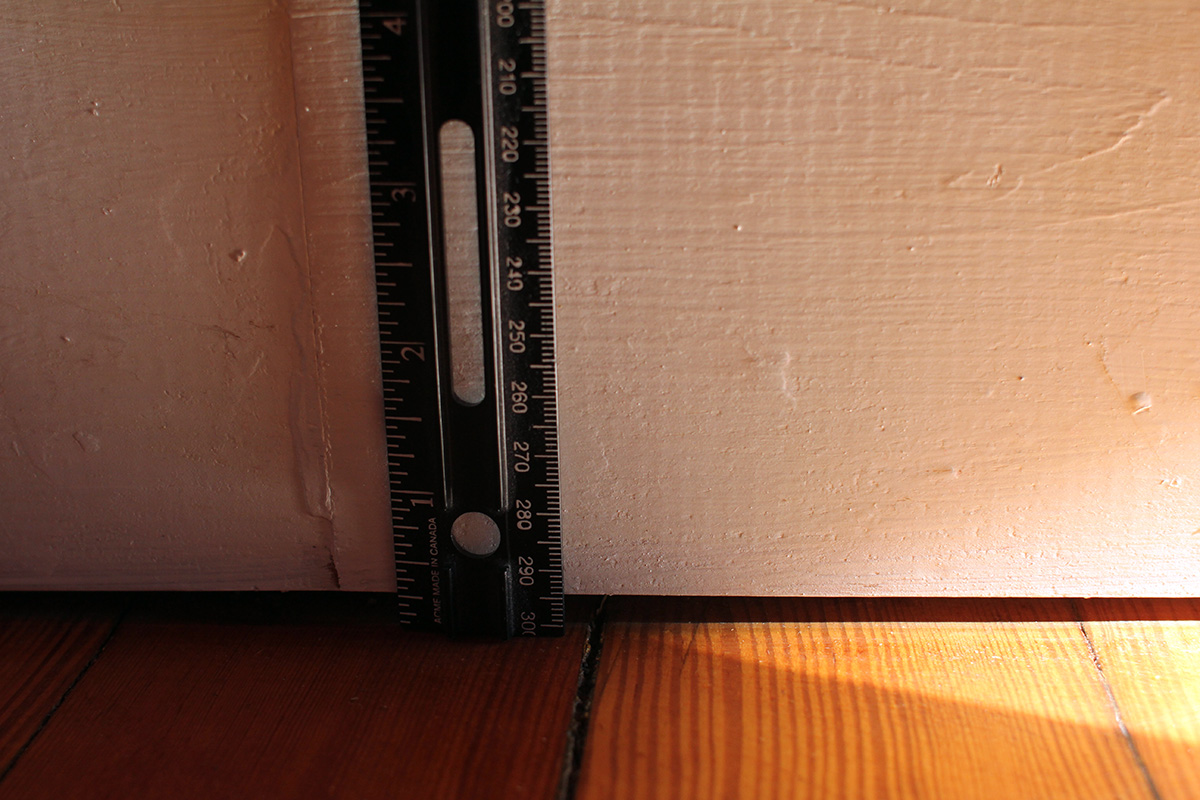 |
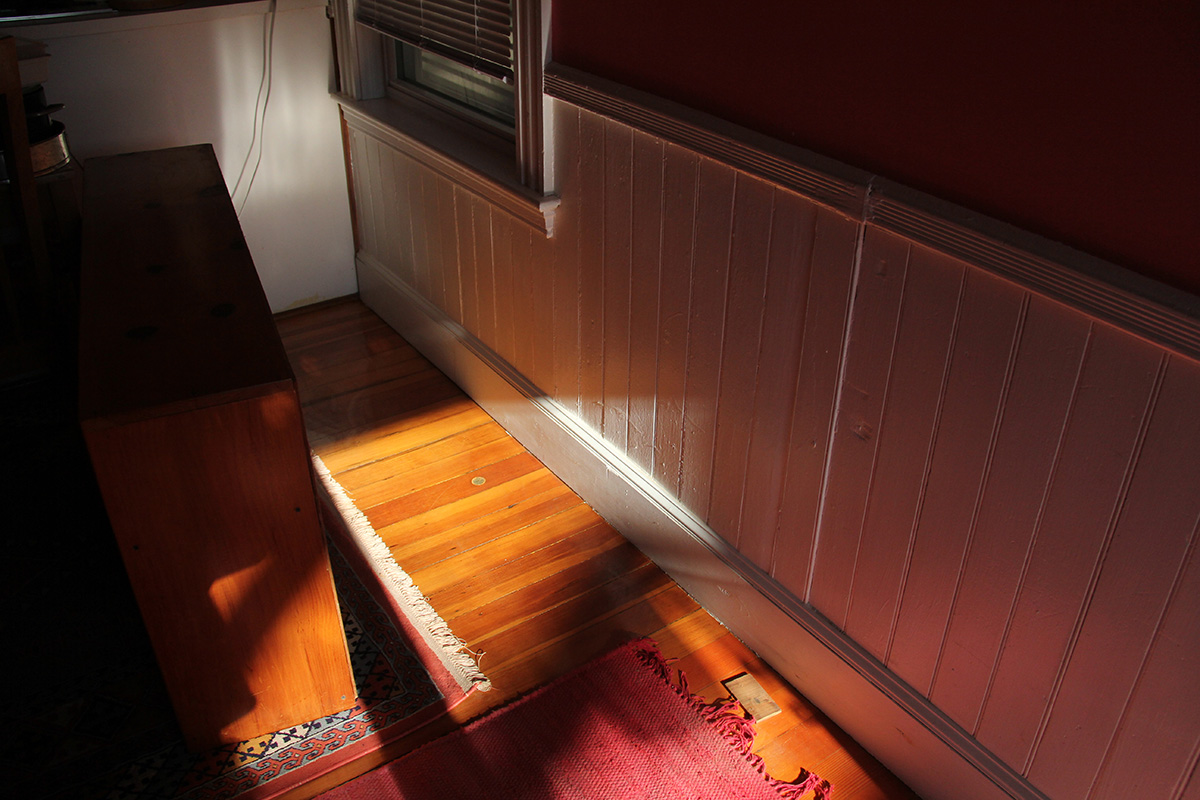
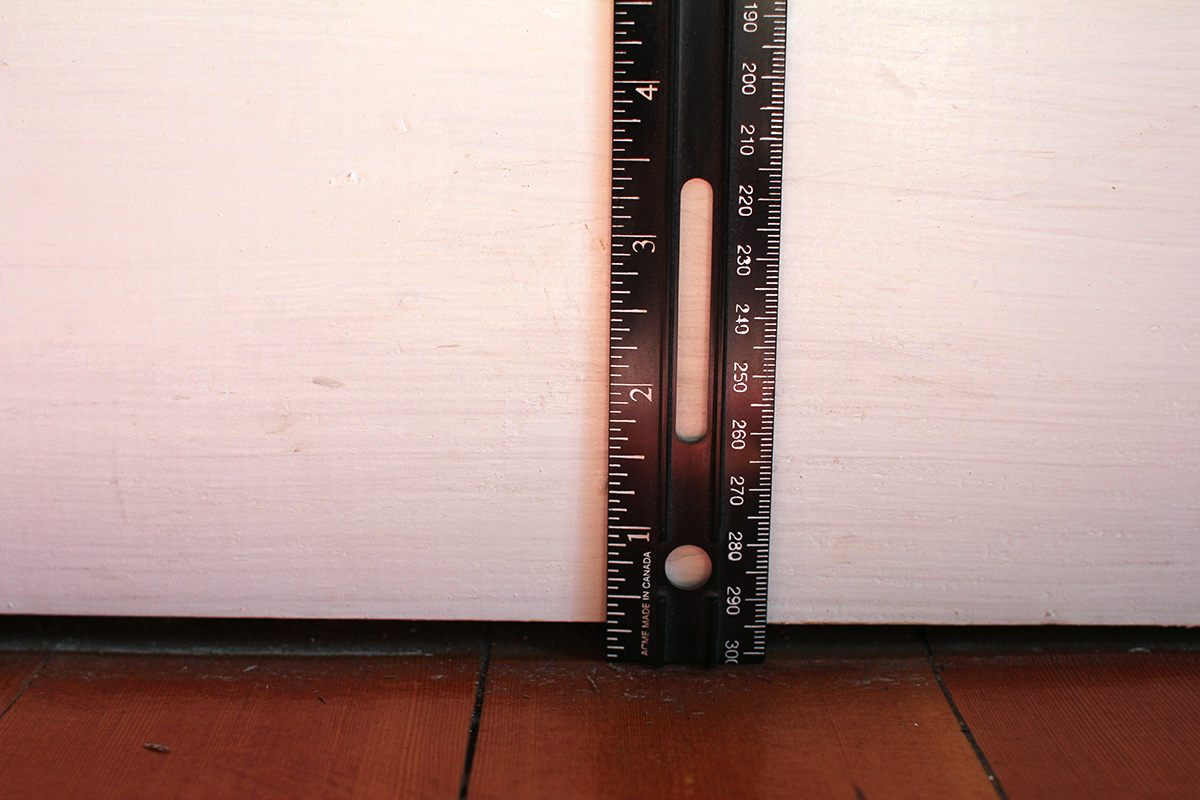
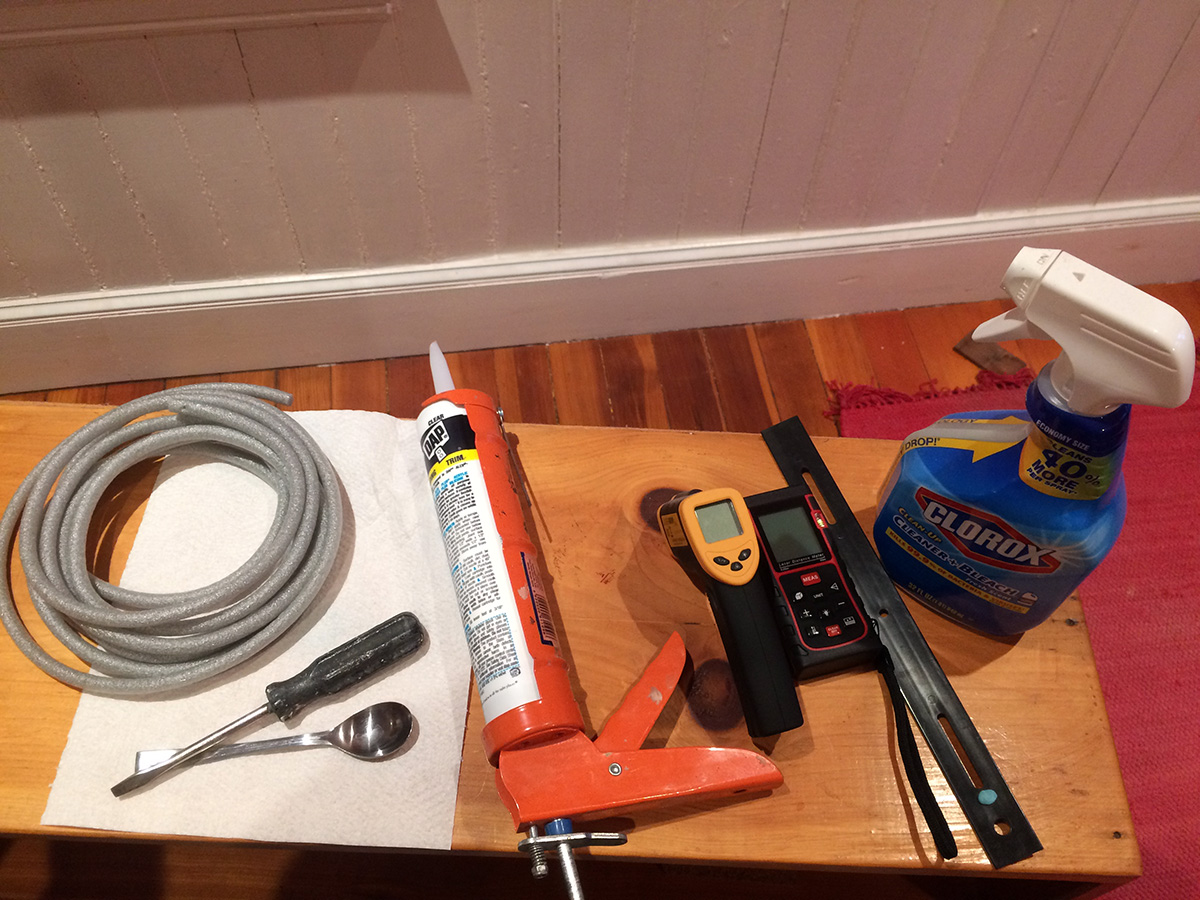
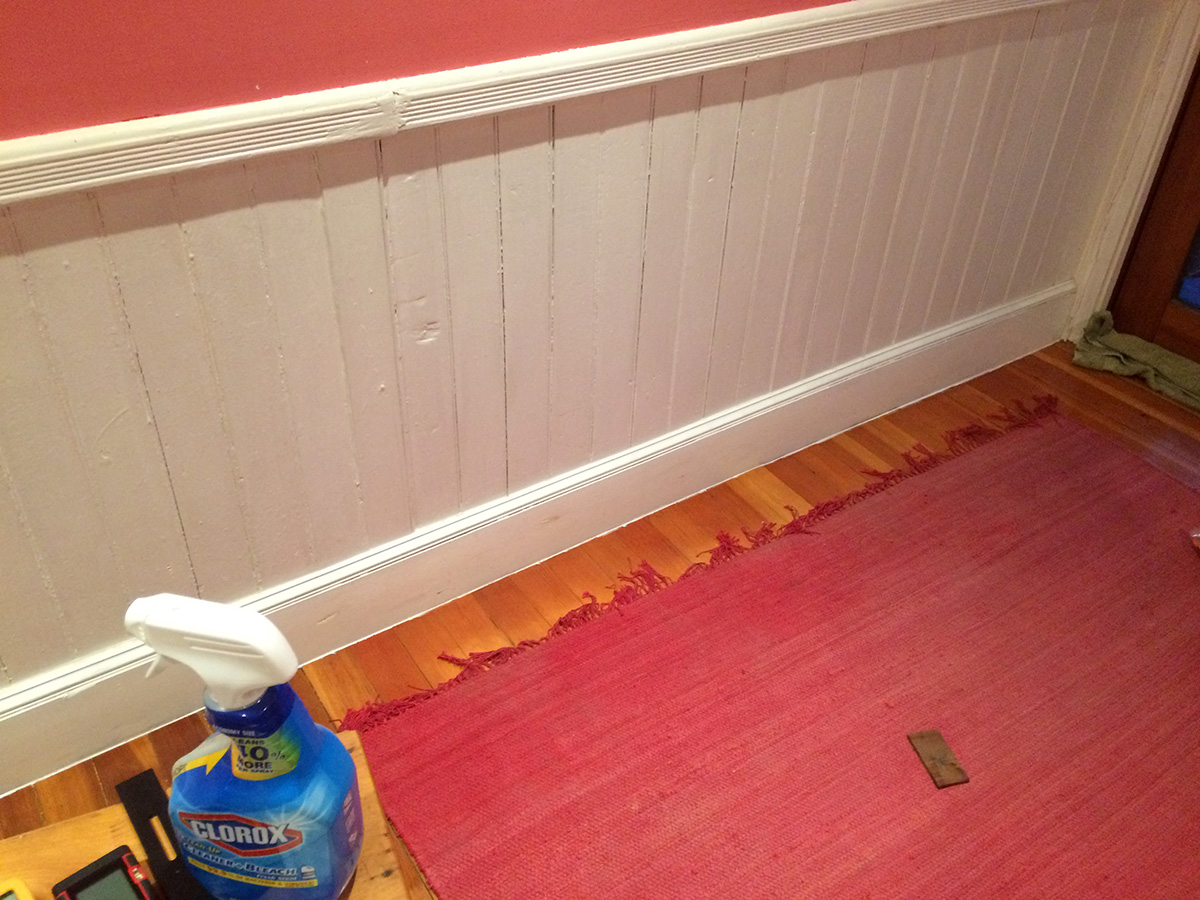
i started my baseboard gap filling project by first moving all the furniture away from the eastern kitchen wall. one unintended benefit was it allowed me to throw out some stuff and reorganize some things on the shelves and drawers. that was followed by cleaning, as that area was particularly dusty and filled with cobwebs. i then inspected the gap, figuring out what size of foam cord i'd need to fill it. at the widest it's 5/16".
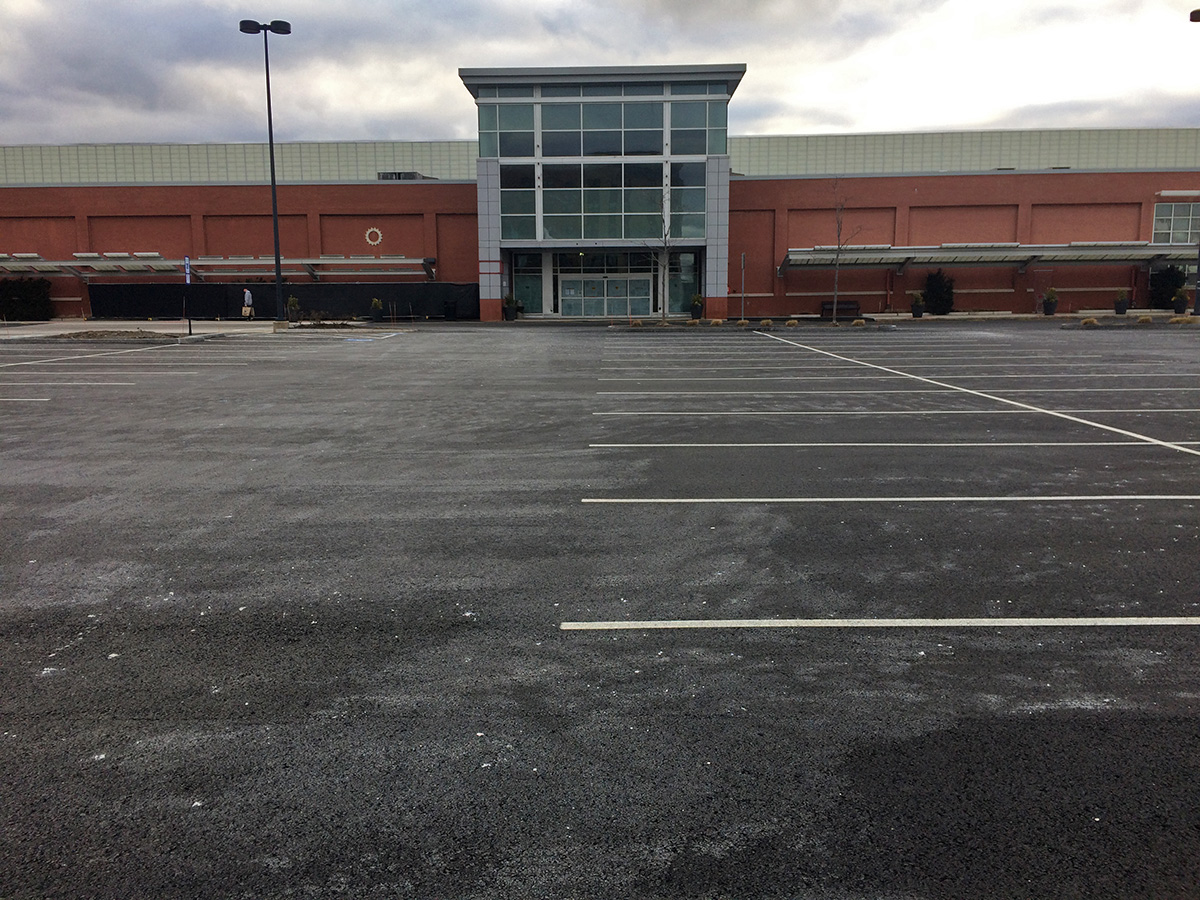 i left for the somerville home depot by 2pm via fuji bicycle. i can't remember the last time i biked here, it's been ages. i don't think i biked here at all last year (2016), especially after i discovered ac moore was going out of business. that was my main reason for coming here, to buy yarn for my mother. i went by the old building out of curiosity, and just to confirm it indeed was gone. the parking area in front was completely empty. there was no signs on the door informing people what will be taking over the store.
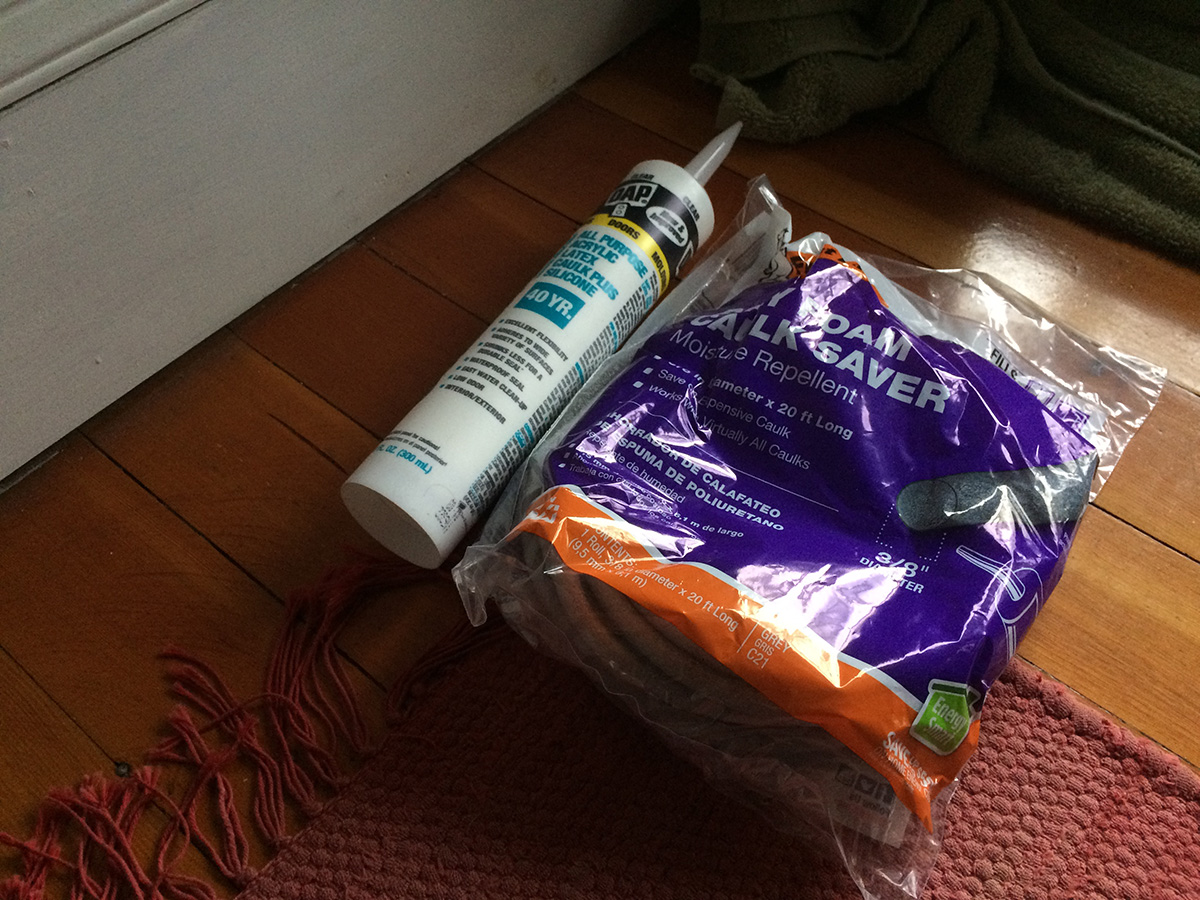
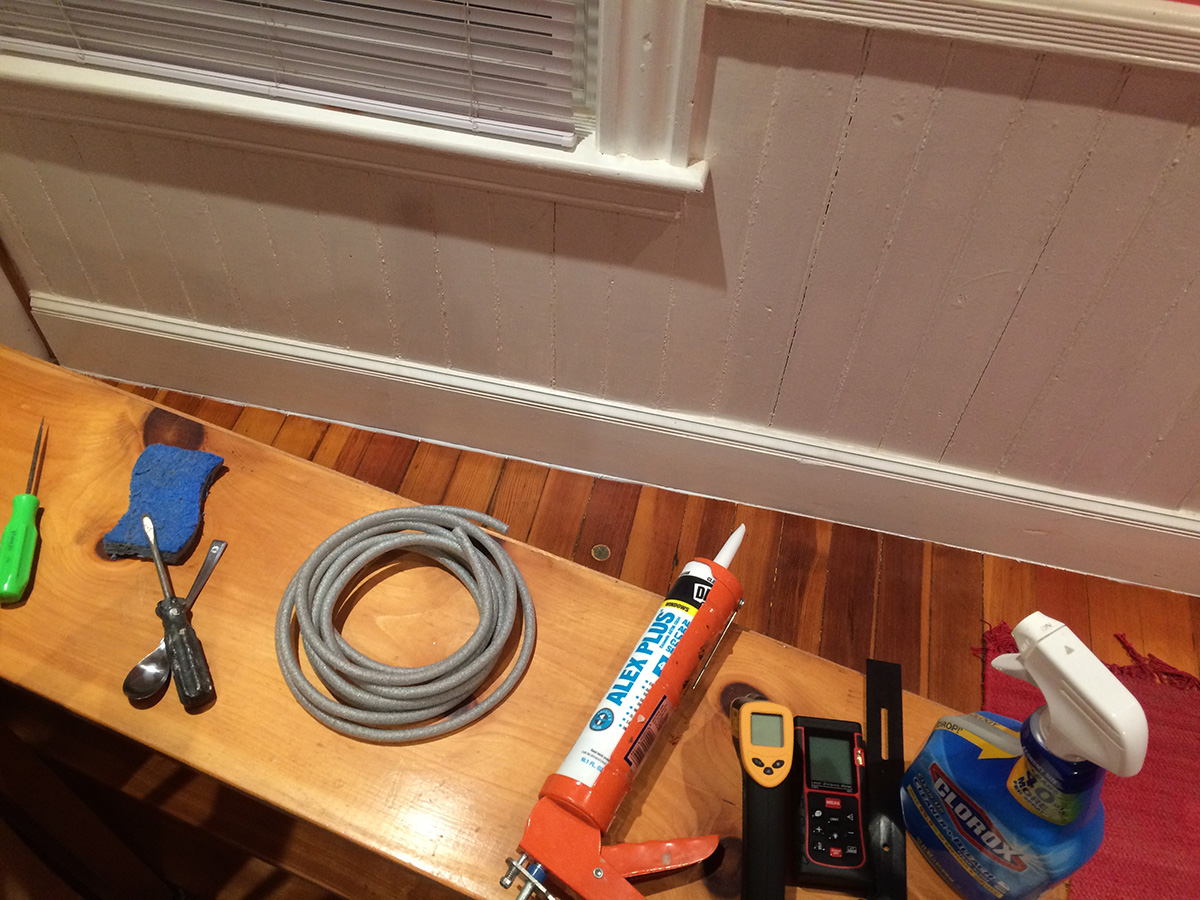
at home depot i was in the paint aisle trying to figure out which kind of caulk to get. i'd decided earlier that i wanted clear caulk, so that it'd disappear once dried. there was clear silicone caulk, but that's a pain to work with (too sticky, too noxious, too damaging to the fingers) and i didn't need that strength level (i.e. waterproof). there was also clear dynaflex 230, which is advertised as a "silicone tough" latex but once again, it seemed excessive for my needs. so i finally went with the basic all-purpose acrylic latex caulk plus silicone ($2.48). it took a while to find where the foam cord was, 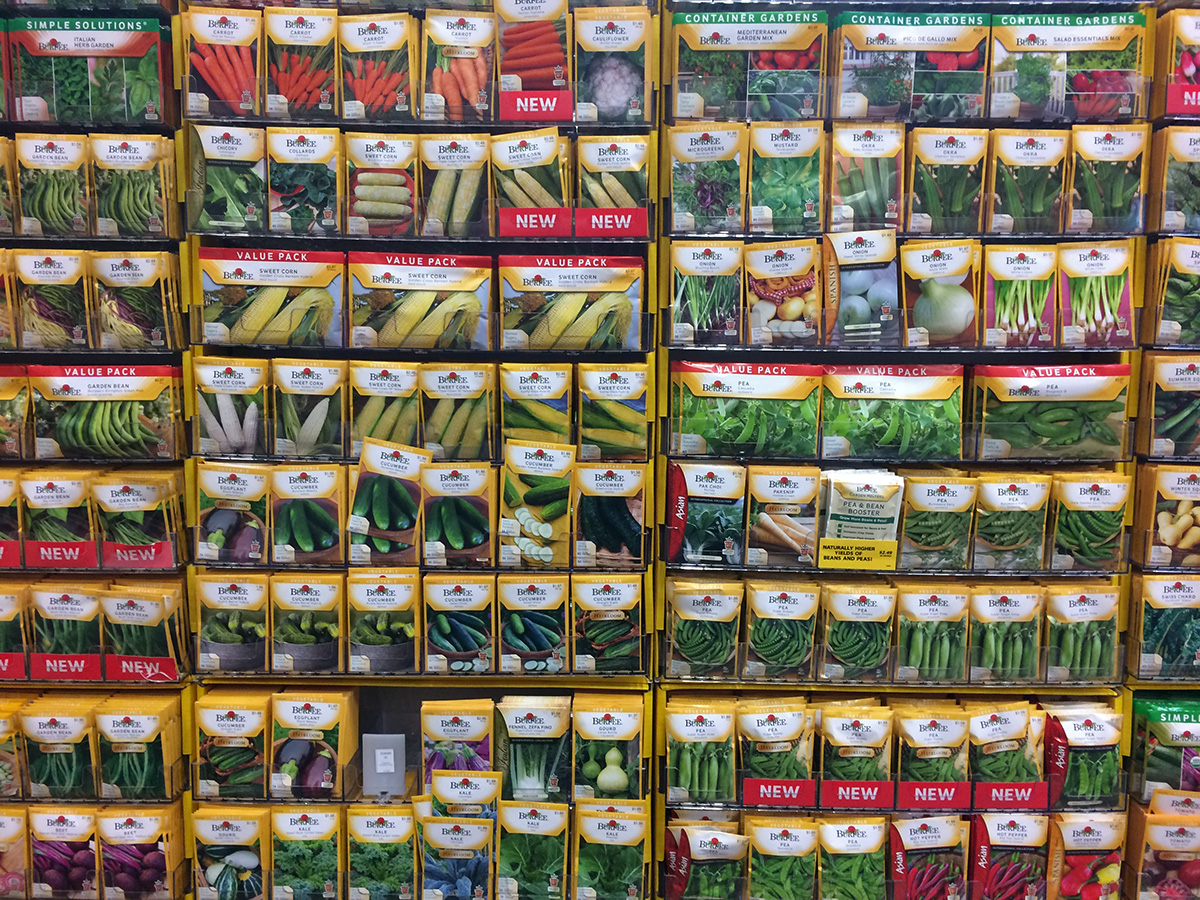 hidden in a small section where all the weather insulation/sealing materials were. it's called caulk saver but what that's just a fancy name for foam cord. the idea is to stick the foam inside the gap as an initial layer of insulation before sealing it up with caulk. having the foam also gives the caulk a backing to adhere to. i bought the smallest diameter size they carried (3/8") as the gap in my kitchen wasn't very large, it comes in a length of 20 ft. ($2.98). afterwards i took a peek at the garden seeds, just to get an idea of what's available. i always go with store-bought seeds, i should really try some online places for a little variety.
 |
 |
 |
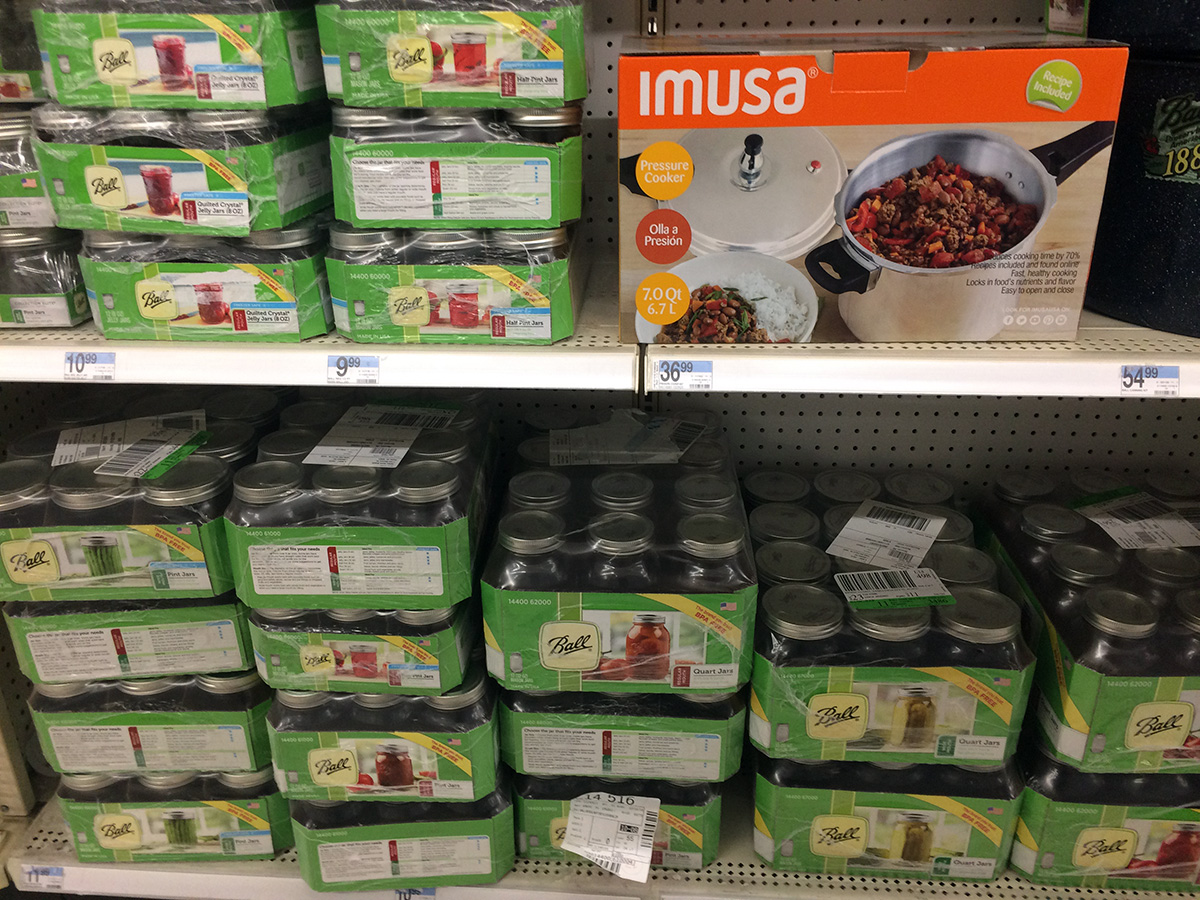
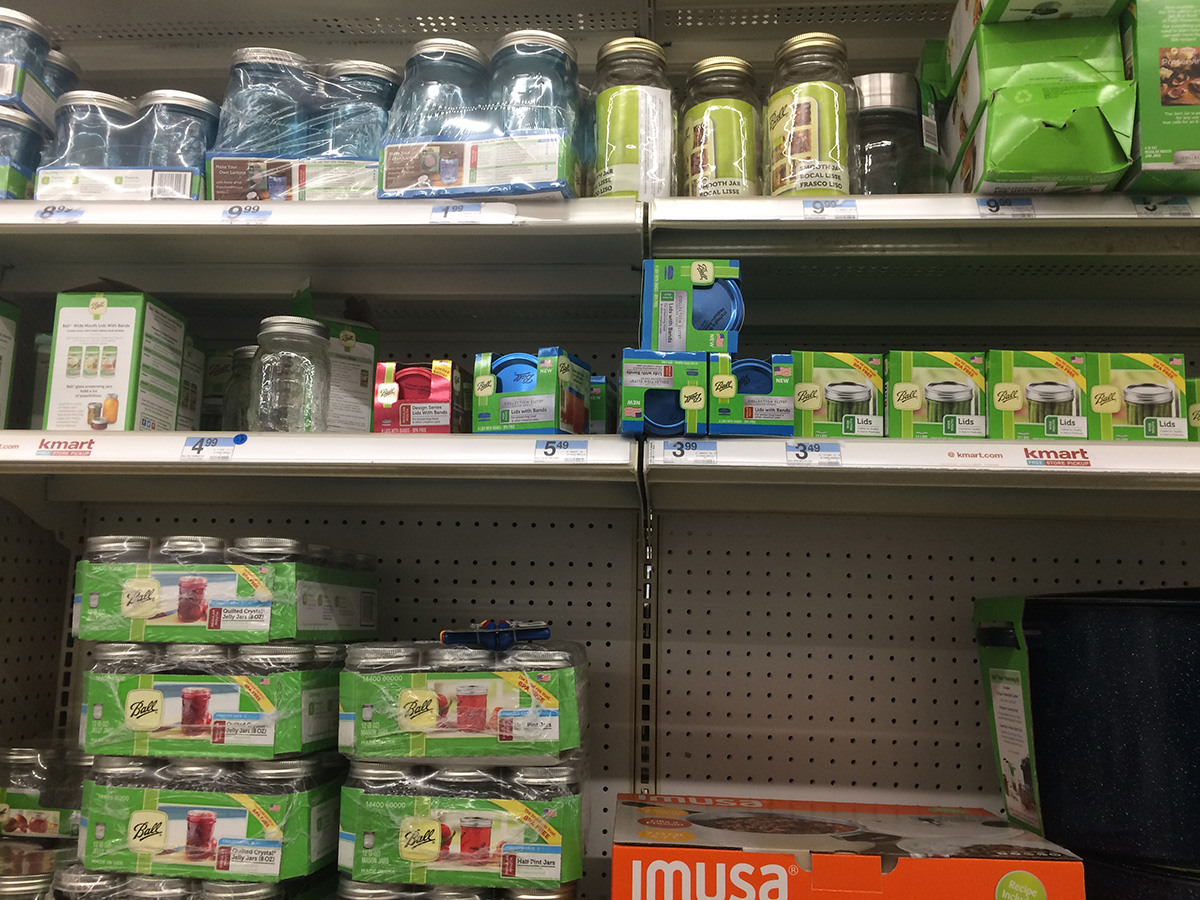
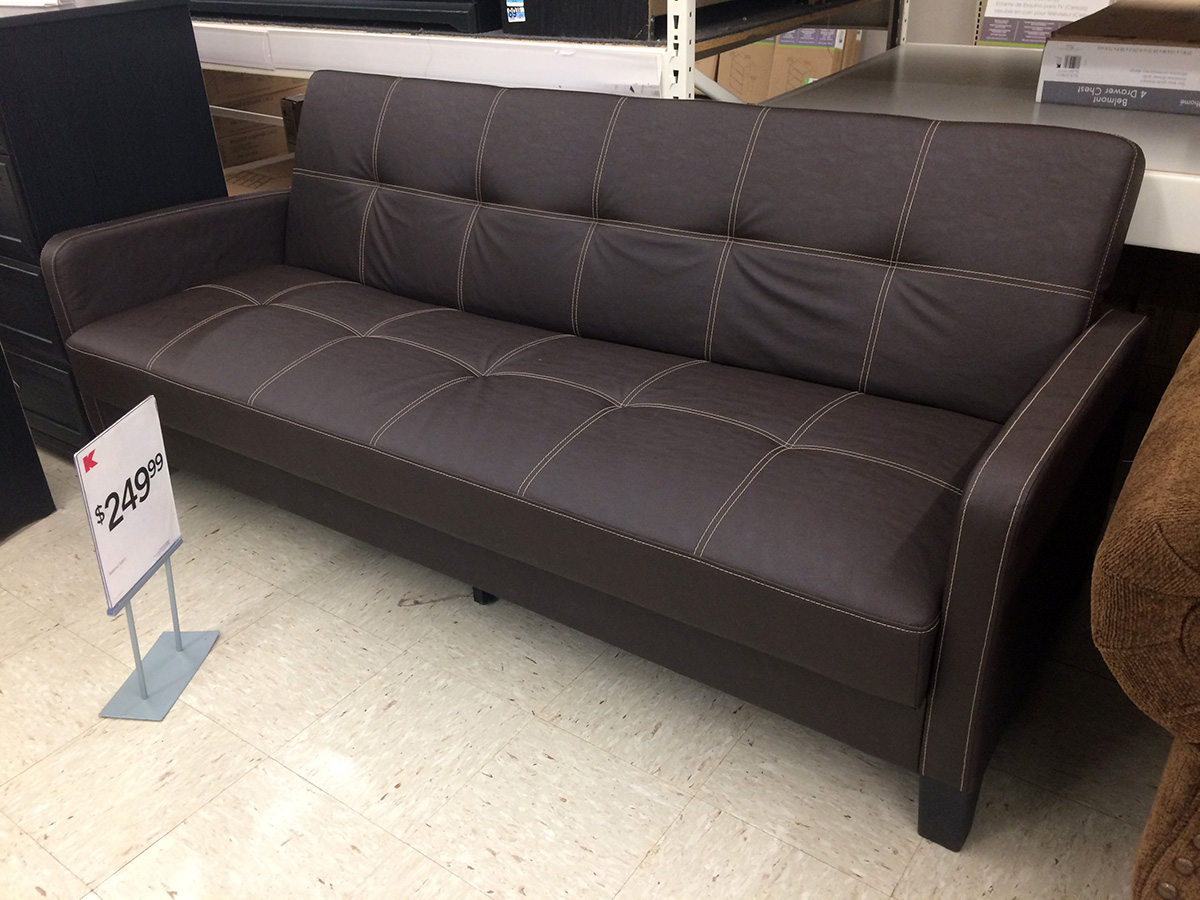 after home depot i crossed the expanse of parking lot over to k-mart, where i wanted to pick up some fabric softener sheets (bounce fresh linen scent, 120 ct. $5.99). i also browsed the kitchenware aisles and home furnishings and saw a futon couch that looked remarkably similar to the one my 2nd aunt ordered (which will arrive on sunday i believe).
 |
 |
 |
there's been so much development in the assembly square area. i remember when it was just an empty lot, where i even saw wild rabbits. now there are factory outlet stores, a partners healthcare administration building, a multi-story parking garage, and a subway station. a part of me still regret what could have been, had ikea - the original tenant for this area - decided not to pull out.
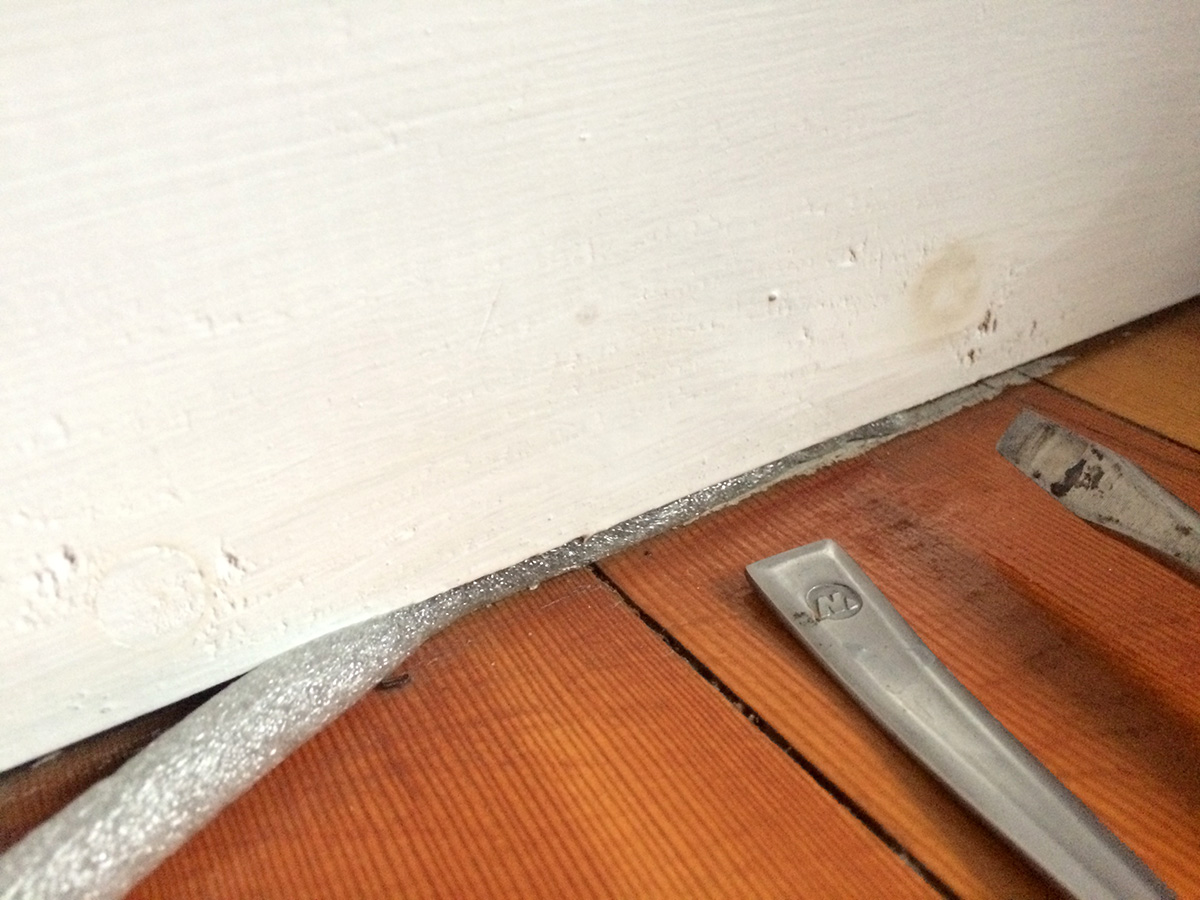
i began working as soon as i got home. filling the baseboard gap with the foam cord was pretty fun. i used the end of a spoon or a screwdriver to push the cord into some of the tighter spacing. sometimes the foam would snap like bubble wrap. in the middle of the wall the gap disappears so i didn't put any foam there.
 |
 |
 |
 |
 |
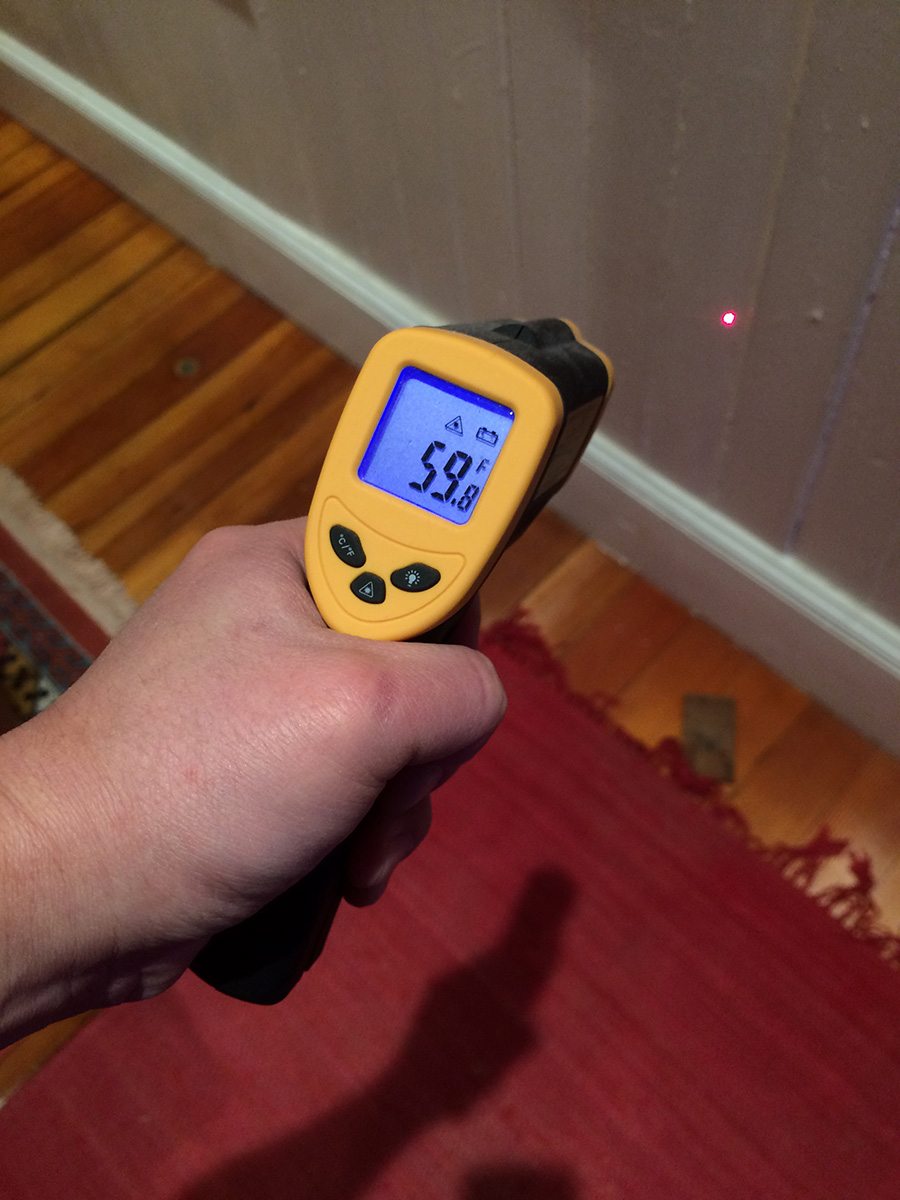 |
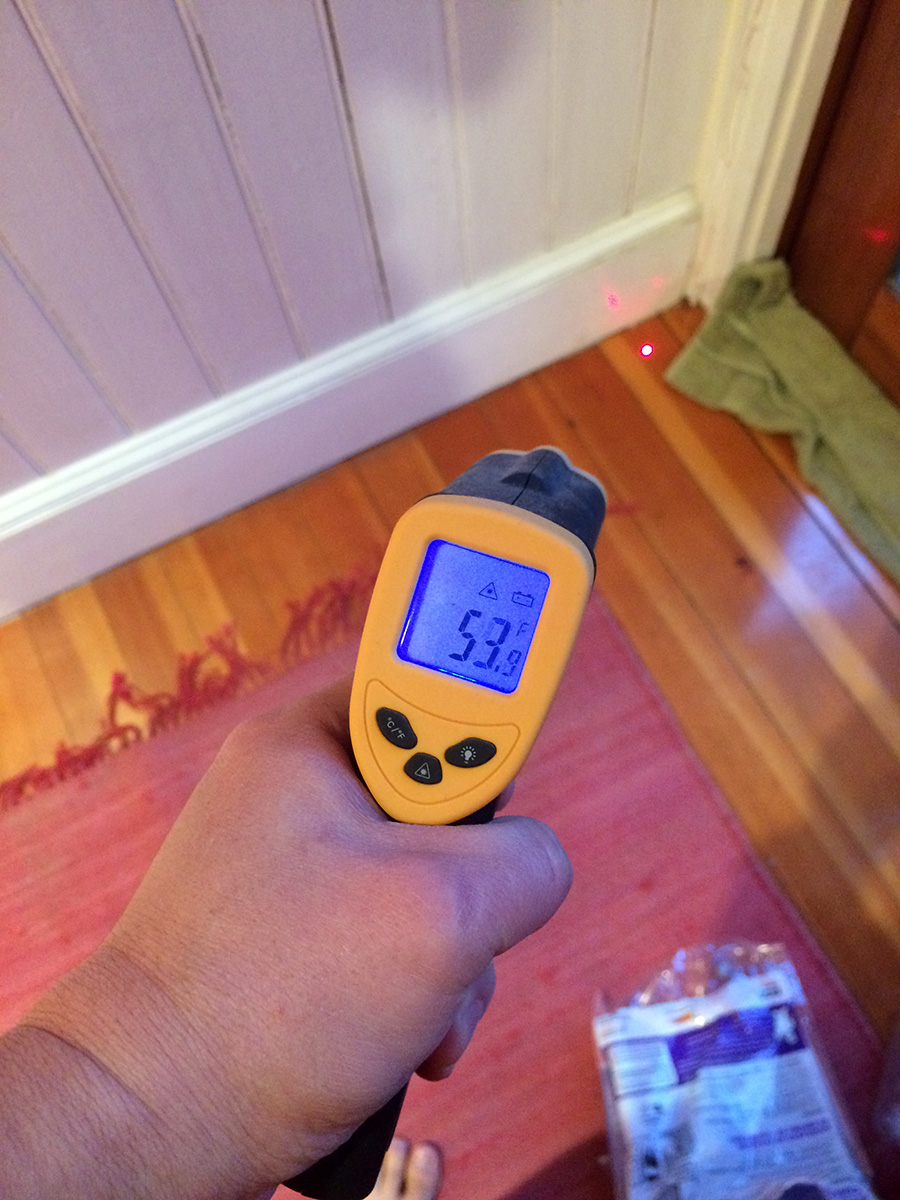
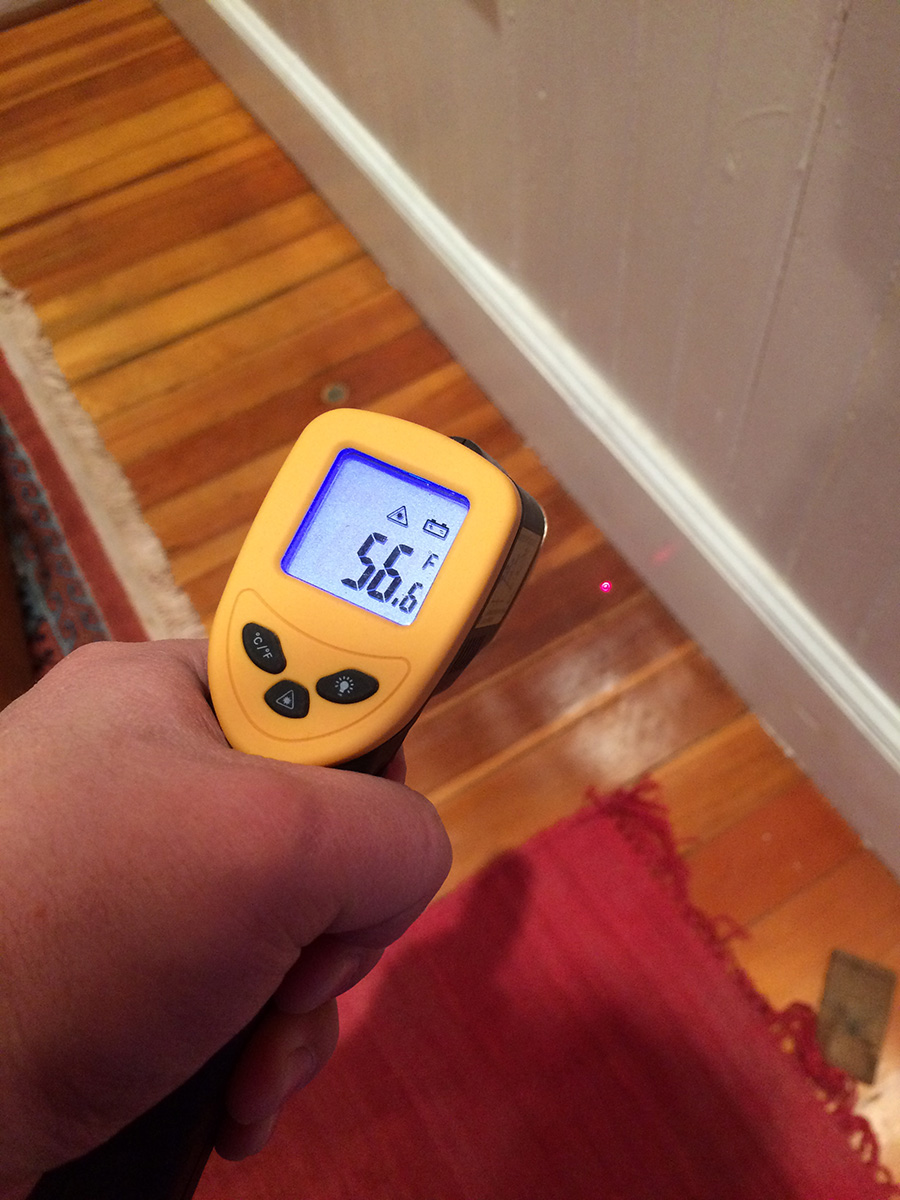
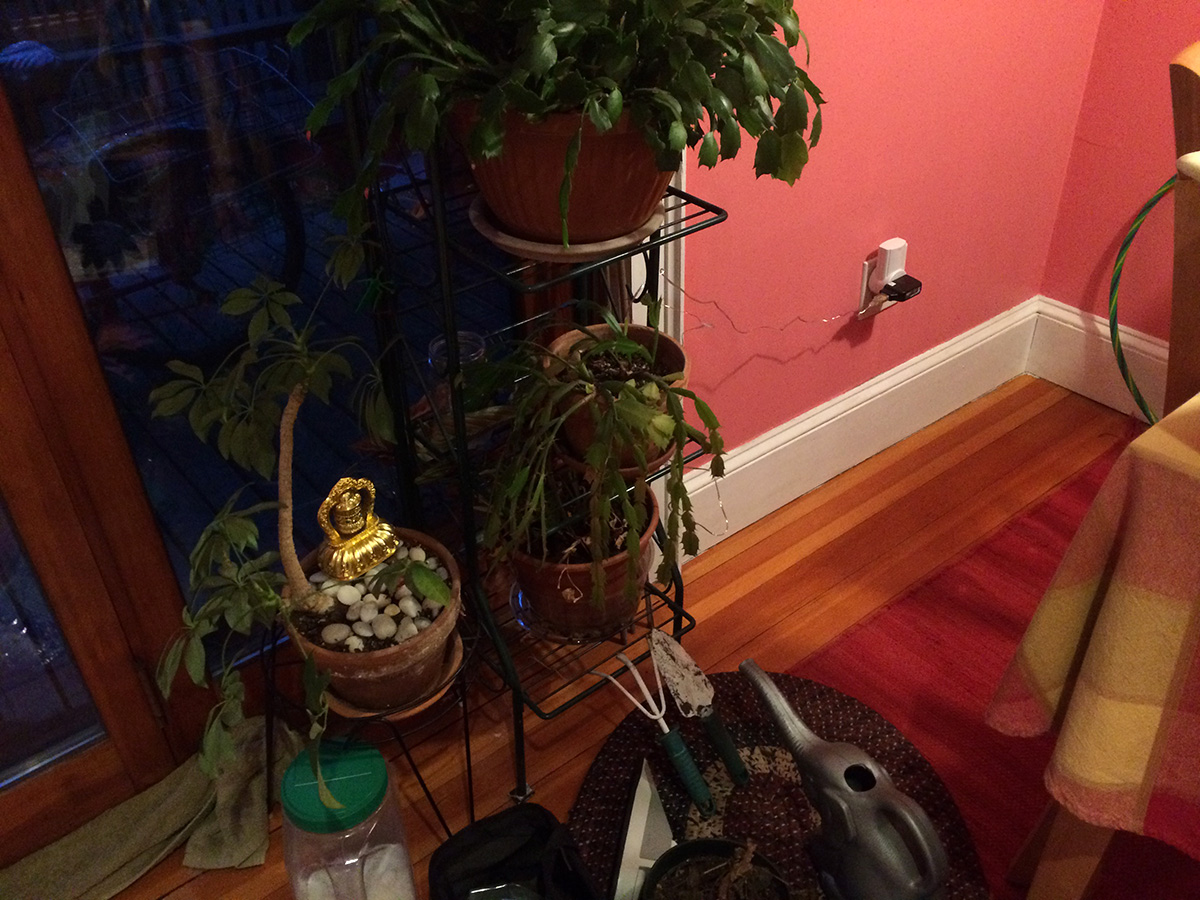
the foam cord seemed to fit the gap so well that i wonder if i even needed bothering to caulk it. so i took my temperature gun and did some readings. it was still cold in the areas immediately surrounding the gap. that meant i'd still need to finish it off with some caulk.
 |
 |
 |
 |
 |
 |
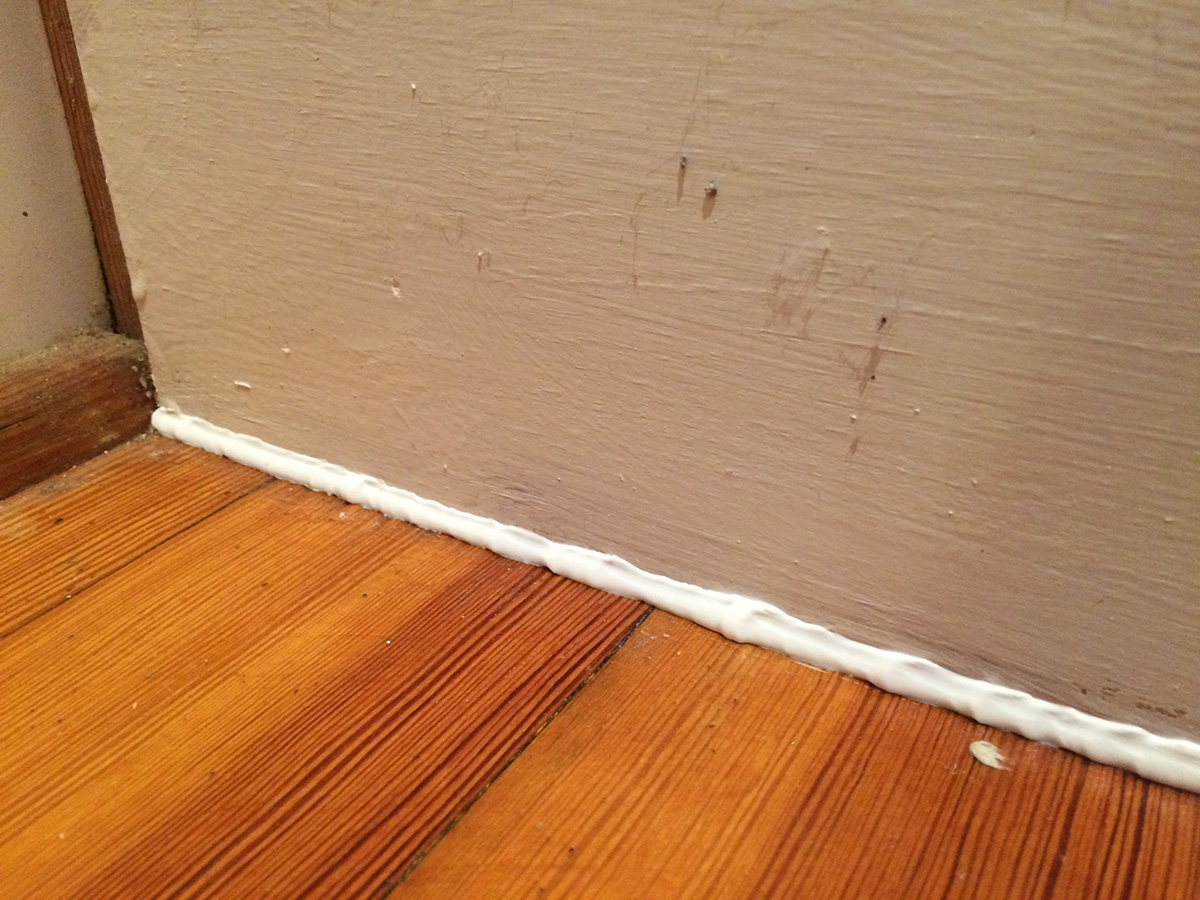
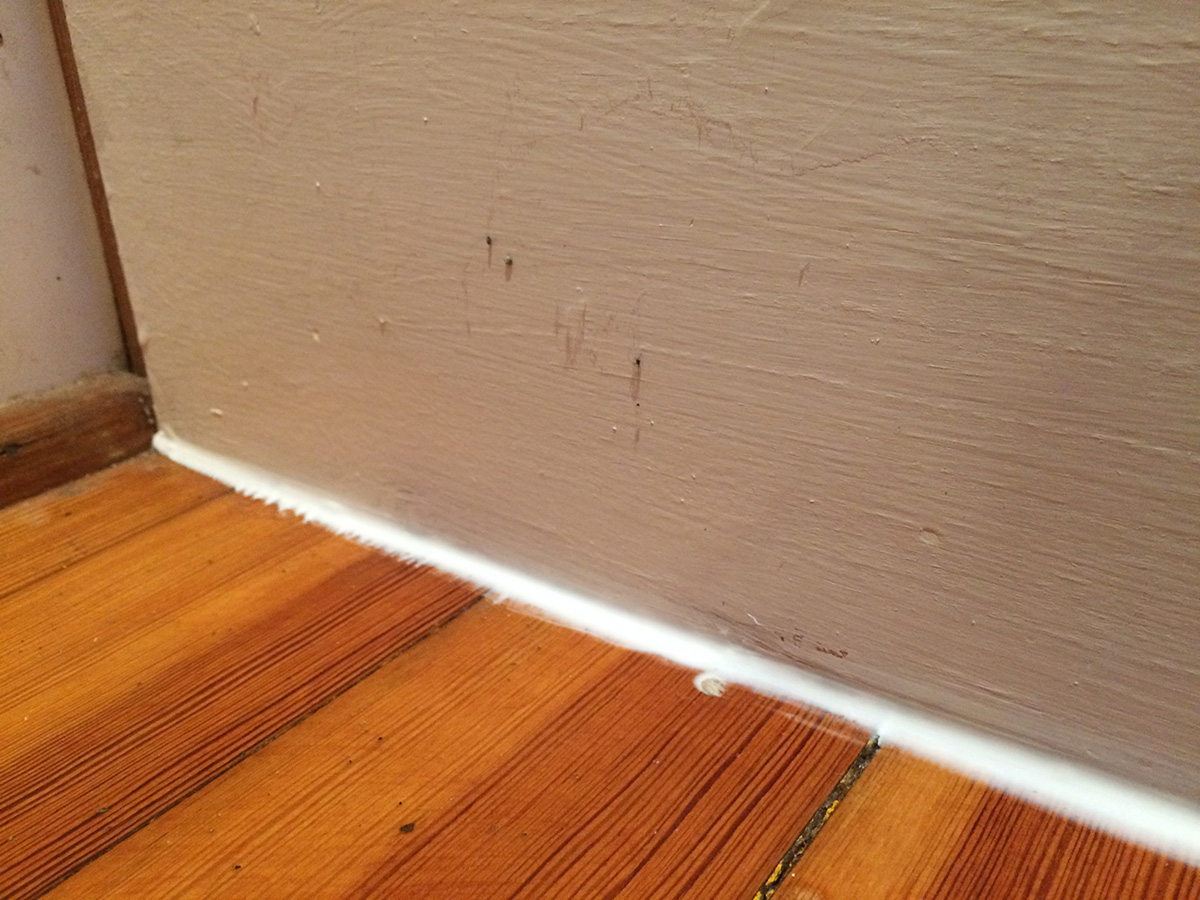
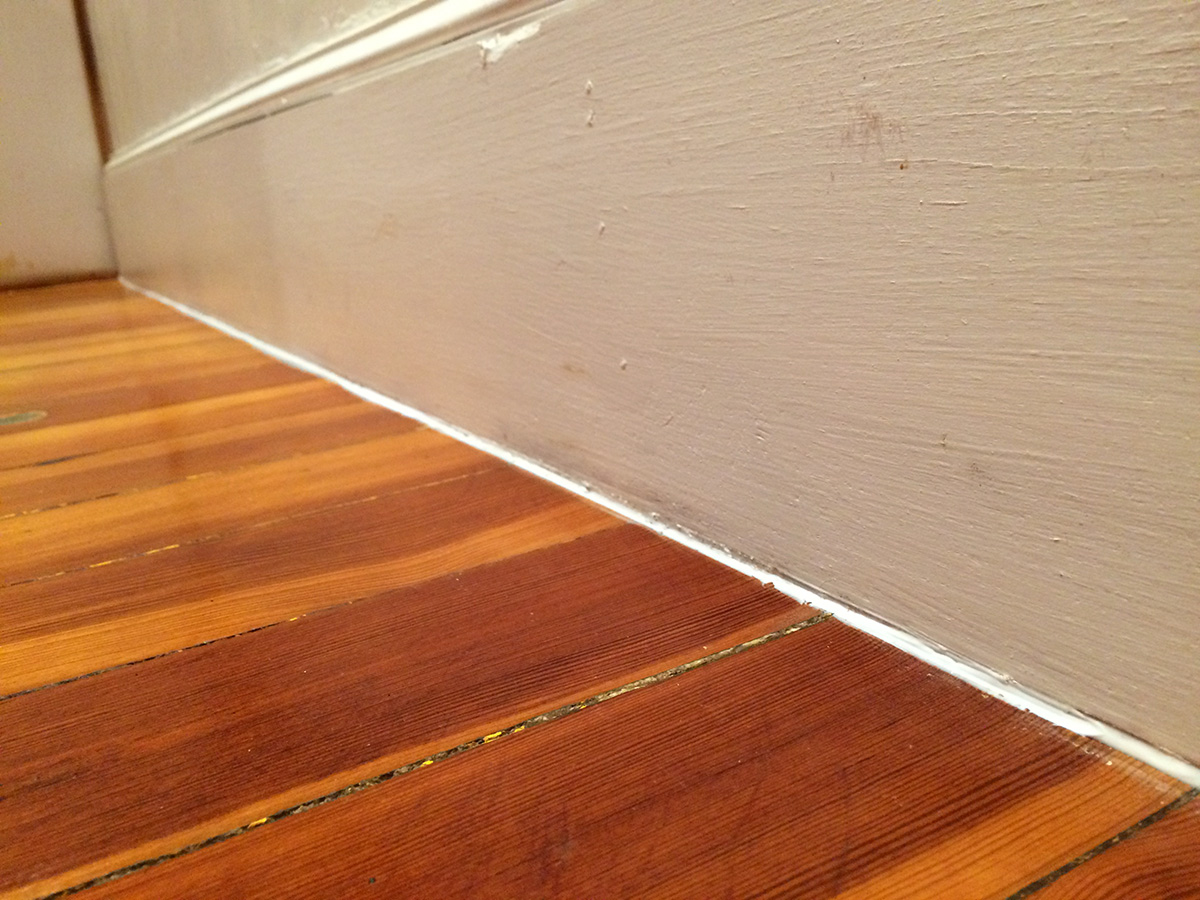
that the caulk would turn clear once it dried made it more forgiving to work with. to smooth out the caulk i used my finger, then later tried a wet paper towel, until finally settling on a wet finger. acrylic latex caulk can be irritating on the skin (though not as bad as pure silicone) so i wiped the caulk from my finger as soon as possible. after i finished caulking the eastern wall, i also caulked the southern wall while i was at it. there was hardly any gap so i didn't need to use the foam cord, just went straight to caulking. by that point i was getting the hang of it and the caulking was near perfect, almost didn't even need to smooth it out.
after i finished, the house did feel warmer, although it could've been all in my imagination. hours later, after the caulk had a chance to dry out a little bit, i went back to the kitchen with the infrared temperature gun to see if there was any improvement. according to the readings, my fix made no difference, the temperature gradient was the same as when i measured it a few nights ago. that area of the house is the farthest away from any forced hot air ducts, so by its very nature it's the coldest. also it's next to an old glass french door, which is not very insulating. the wooden floorboards themselves in that area are a few degrees colder. but in my mind the house still feels warmer despite what the evidence shows. if nothing else, filling the baseboard gap will eliminate the occasional draft i feel in the kitchen when i walk around barefoot.
in the late afternoon i contacted my webhost again, this time successfully getting someone on live chat. then for the next 2 hours i sat by my computer, staring at the chat window, waiting for the occasional responses from my technical supporter person. this went on for so long, i think at one point he forgot i was still there and said good bye, but i caught him before he did, asking him if the problem was fixed or not. in the end he told me to open a trouble ticket addressing this problem, as the issue was beyond his scope of expertise.
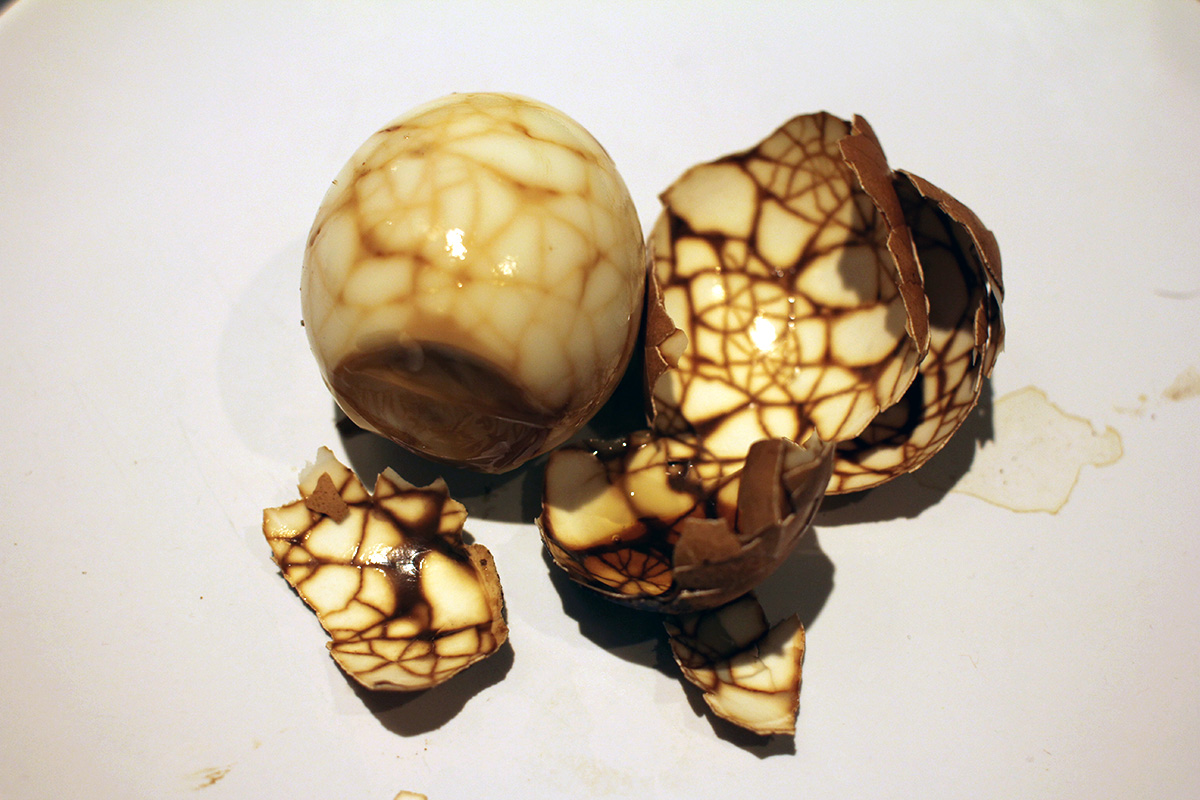 for dinner it was more leftover beef stew pasta. tonight i added a dollop of my homemade habanero hot sauce. that instantly kicked everything to the next level, with an intense scalp-sweating spiciness. i also tried another tea egg, this time a white one. they're older, so they're easier to peel. this one seemed a little better, more flavor absorption, but could also steep for a few more days for a more intense flavor.